
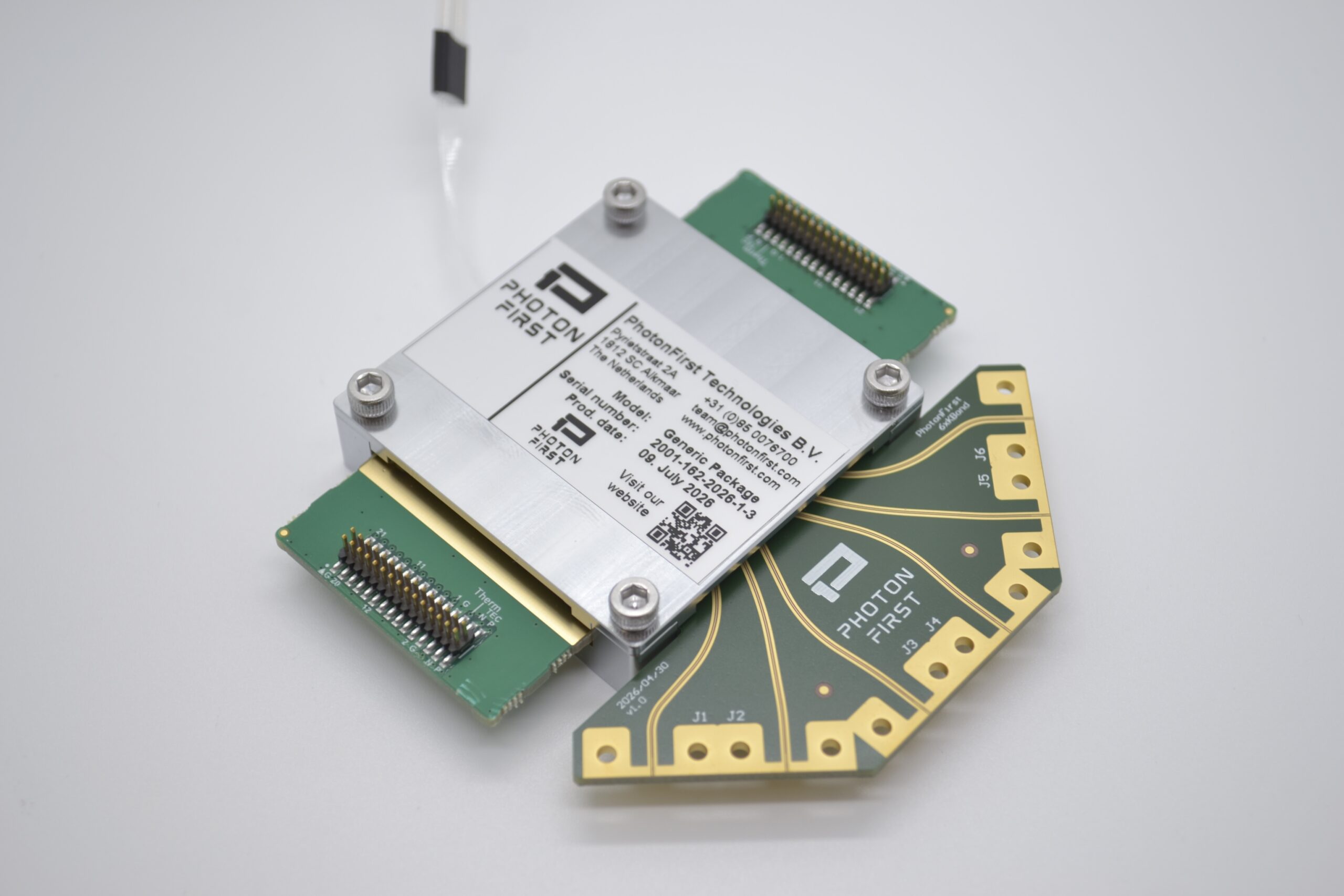
PIC package design
Together with your team, our experts consider optical, electrical, mechanical, thermal and reliability aspects of your end application during the design of your PIC package.
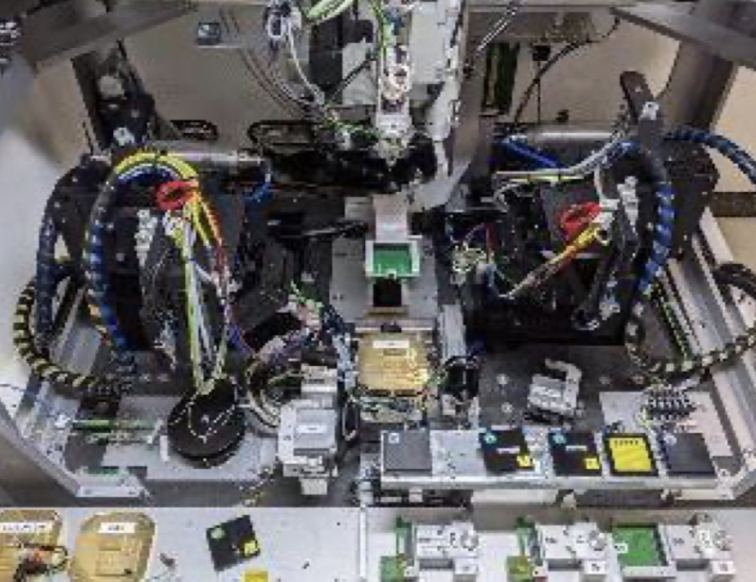
PIC testing
We offer die-level testing of PIC and fibre arrays. Using Known Good Dies (KGD) and well tested parts, significantly increases the yield of your packaged PIC.
Die bonding
Our automated system places, glues or solders the components, with an accuracy ranging from ± 20 µm to ± 2 µm. This is followed by detailed inspection.
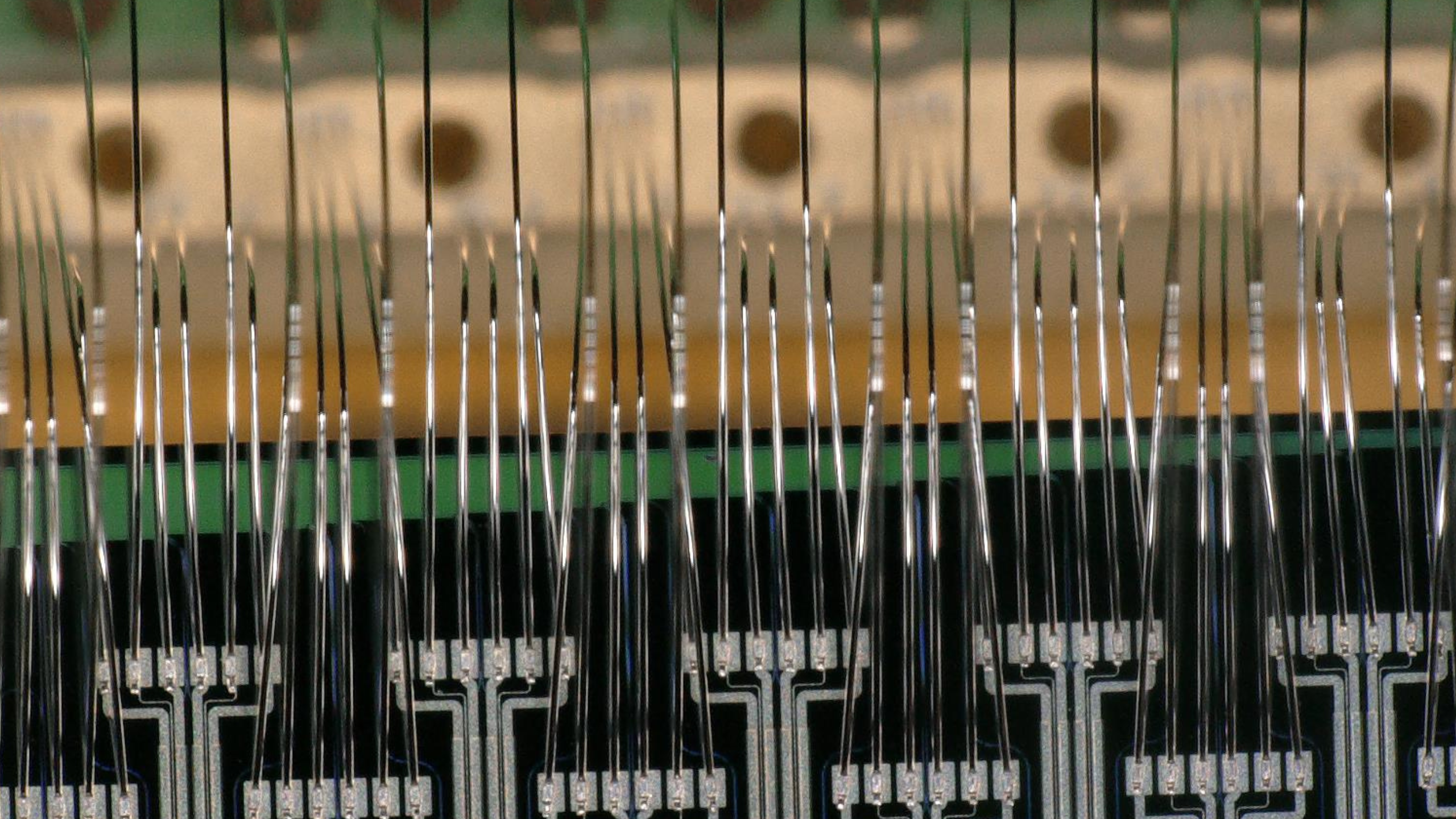
Wirebonding
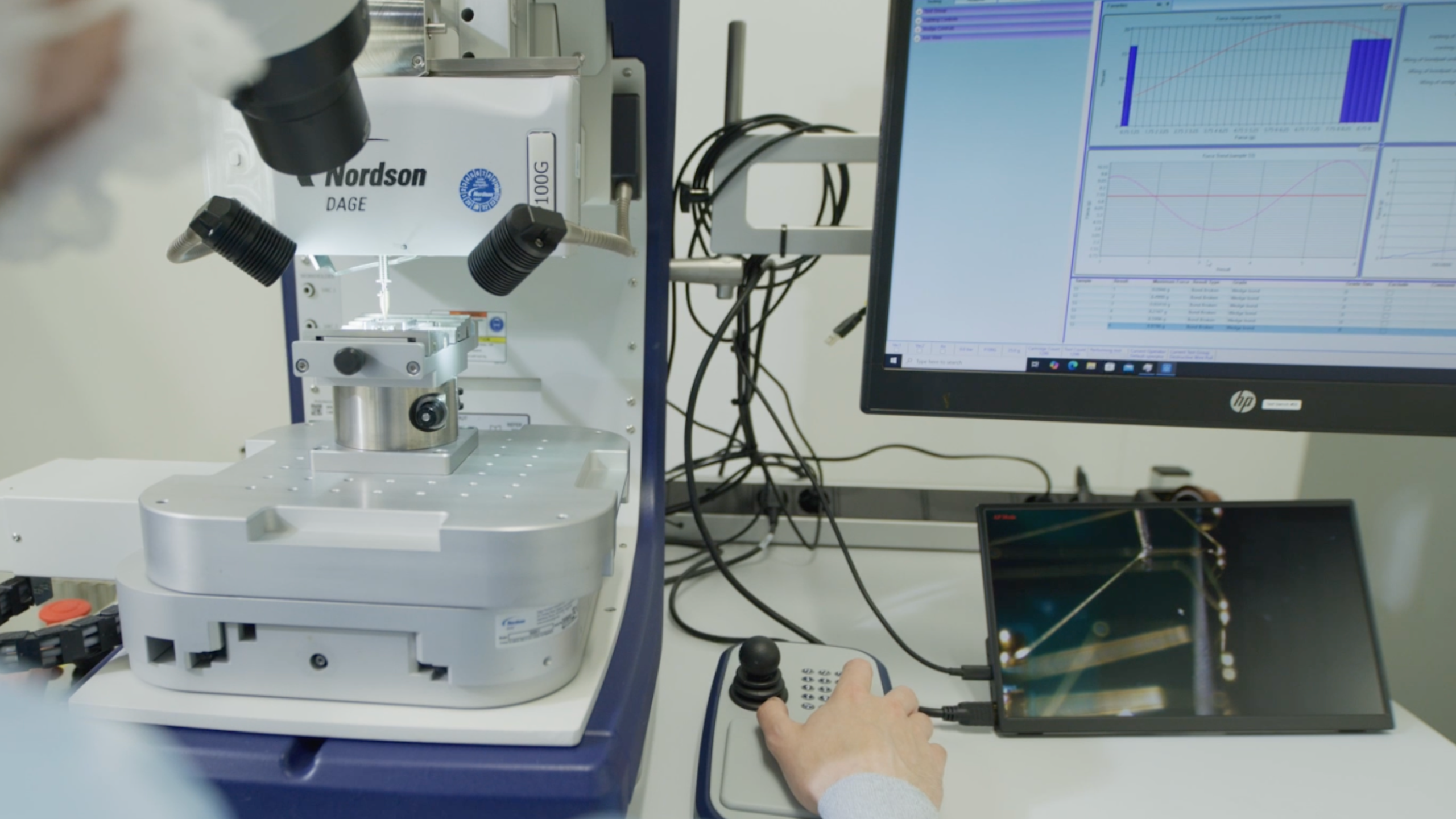
We cover frequency ranges from DC up to 40 GHz by using manual and automated wirebonders. We offer ball and wedge bond using Au, Al, Cu, Pt and Ag wire with thicknesses ranging from 12.5 µm up to 75 µm.
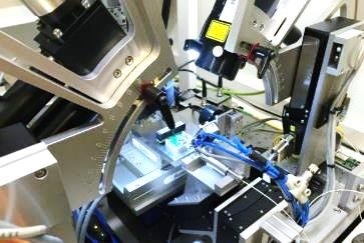
Fibre alignment
Single fibre alignment is possible both using Active and Passive Alignment, achieving accuracies down to 100 nm. We offer SMF, PMF, lensed and UHNA fibres.
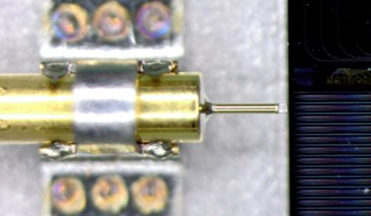
Fibre welding
This unique capability makes the package more robust and suitable for harsh environment, especially in aerospace and defence applications. Our Active Alignment fibre welding tool can achieve 100 nm accuracy.
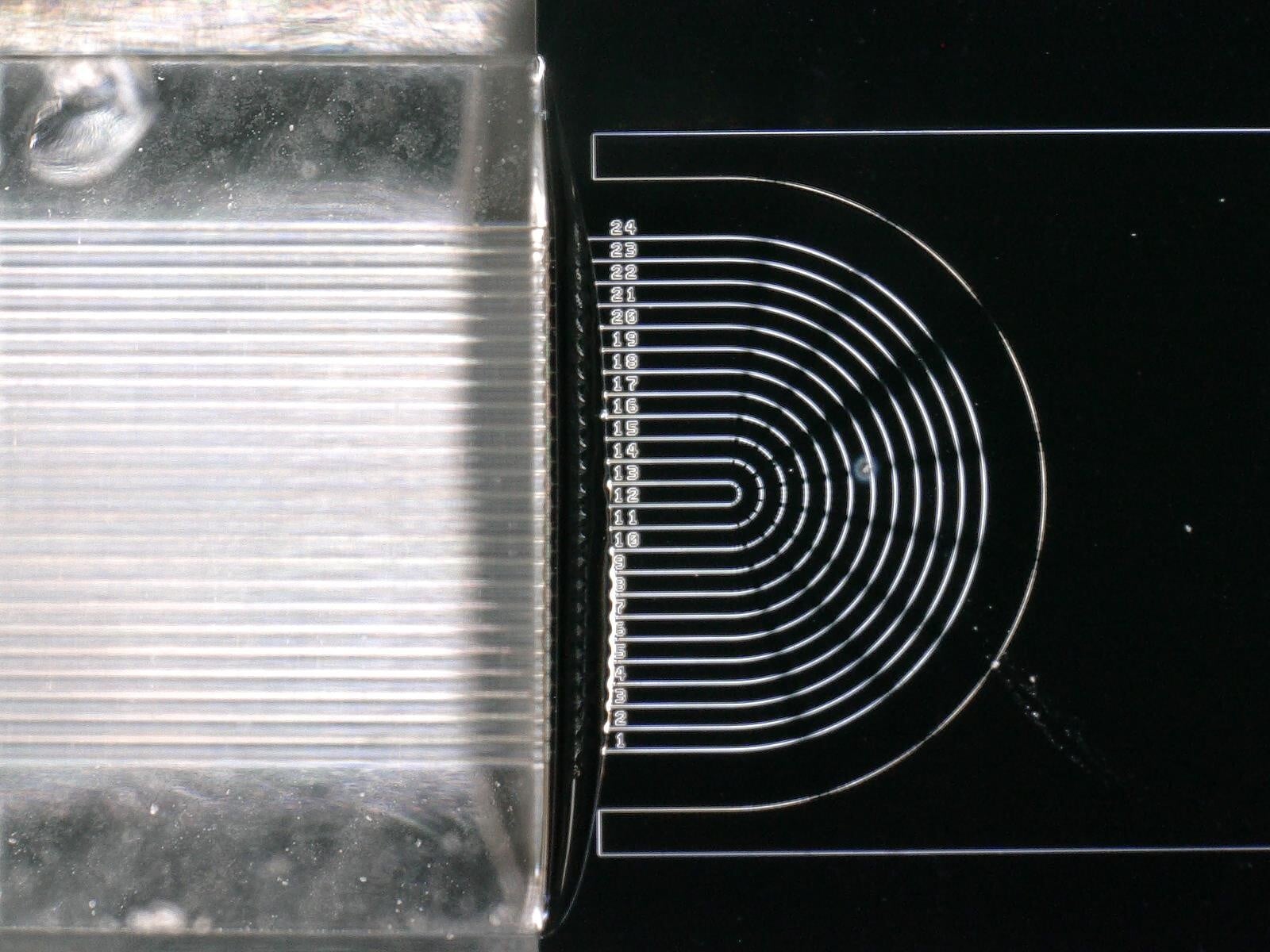
Fibre array alignment
We offer Active Alignment of fibre arrays up to 140 channels. The fibres can be selected depending on your needs, including mixing of different types in a single array. We can work with edge or vertical coupling and can handle a large variety of MFD at the SSC.
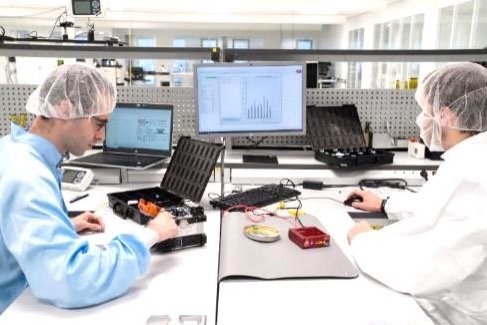
System integration
We support your entire journey from bare PIC die all the way to a validated and qualified system, ready for your harsh environment applications.
Qualification and testing
Most harsh environment applications require MIL-STD and DO-160H compliant subsystems. We are well experienced with the iterative process of test, improvement and documentation that is required to achieve these qualifications.
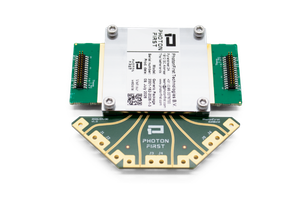
GP01/02/03

GB01
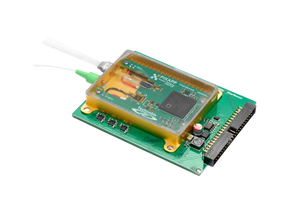
SIP01

BP01

XE01
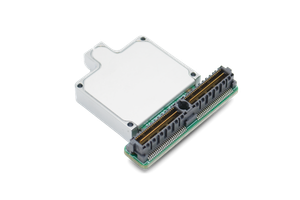
CU01 ..x


